Advanced Material For Next-Generation Batteries!
Cancrie develops patented advanced materials engineered for life enhancement and performance improvements in batteries and capacitors. Built on 13+ years of hands-on research and innovation, our technology transforms biomass into high-performance materials using sustainable and smarter processing methods.
Our solutions are designed for seamless integration in the batteries, without changing anything in the process.
Why Choose Cancrie Nanocarbon for Batteries
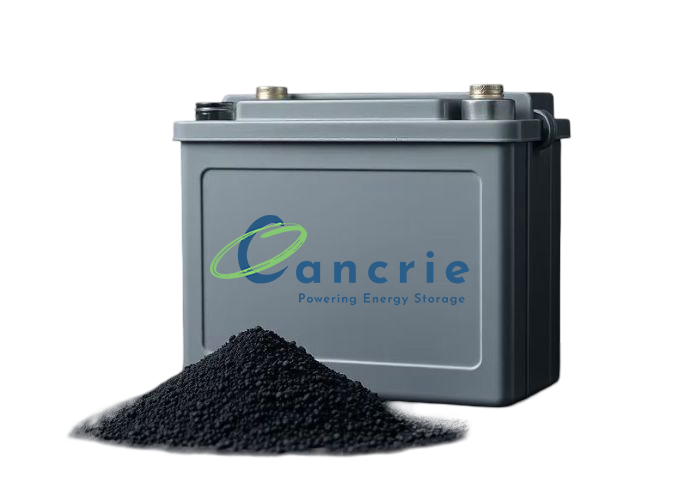
Cancrie Nanocarbon is a patent granted high-performance carbon material designed to improve battery efficiency, life, and reliability. Using an advanced and greener process, it enhances active material bonding, high rate charge acceptance, and usable capacity—while enabling a more sustainable battery.





| Discharge rates | % of C10 capacity at various high rate discharges — Nanocarbon battery | BIS Standard |
|---|---|---|
| C5 rate | 92.6% | 83.3% |
| C3 rate | 80.65% | 71.7% |
| C2 rate | 72.2% | 63.3% |
| C1 rate | 57% | 50% |






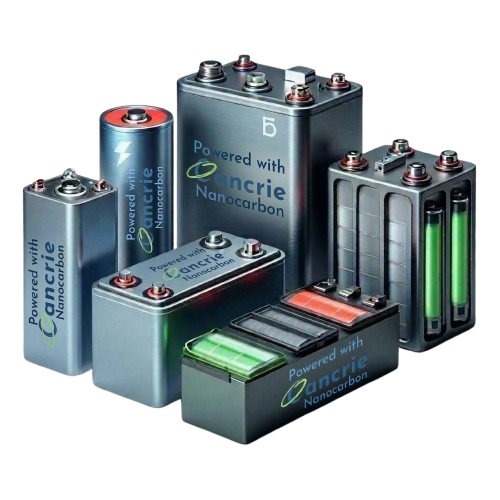

Our Mission Is To Engineer High-Performance, Biomass-Derived Nanocarbons
At Cancrie, we convert renewable biomass into advanced nanocarbon materials that improve battery performance and reduce environmental impact. Our sustainable alternative to petroleum-based carbons delivers better energy density, faster charging, and longer battery life.
Research & Validation
- Tested at ARAI, NABL and third party accredited labs
- Proven at industrial scale at more than 20 battery manufacturers
- Lacs of tubular, motor starting, eRickshaw and VRLA batteries with Cancrie Nanocarbon sold in last two years
Backed by world-class partners
Trusted collaborators powering Cancrie's journey from biomass to breakthrough — across research, manufacturing, finance, and policy.














Engineering High-Performance,
Sustainable Battery Materials
Our technology significantly outperforms conventional carbons and enhances batteries by improving both energy profile and charge capabilities - delivering stronger electrochemical performance across applications.
DISCOVER MOREAdvanced Nanocarbon Technology
Revolutionizing industrial performance with cutting-edge carbon solutions.
Request ConsultationApplications
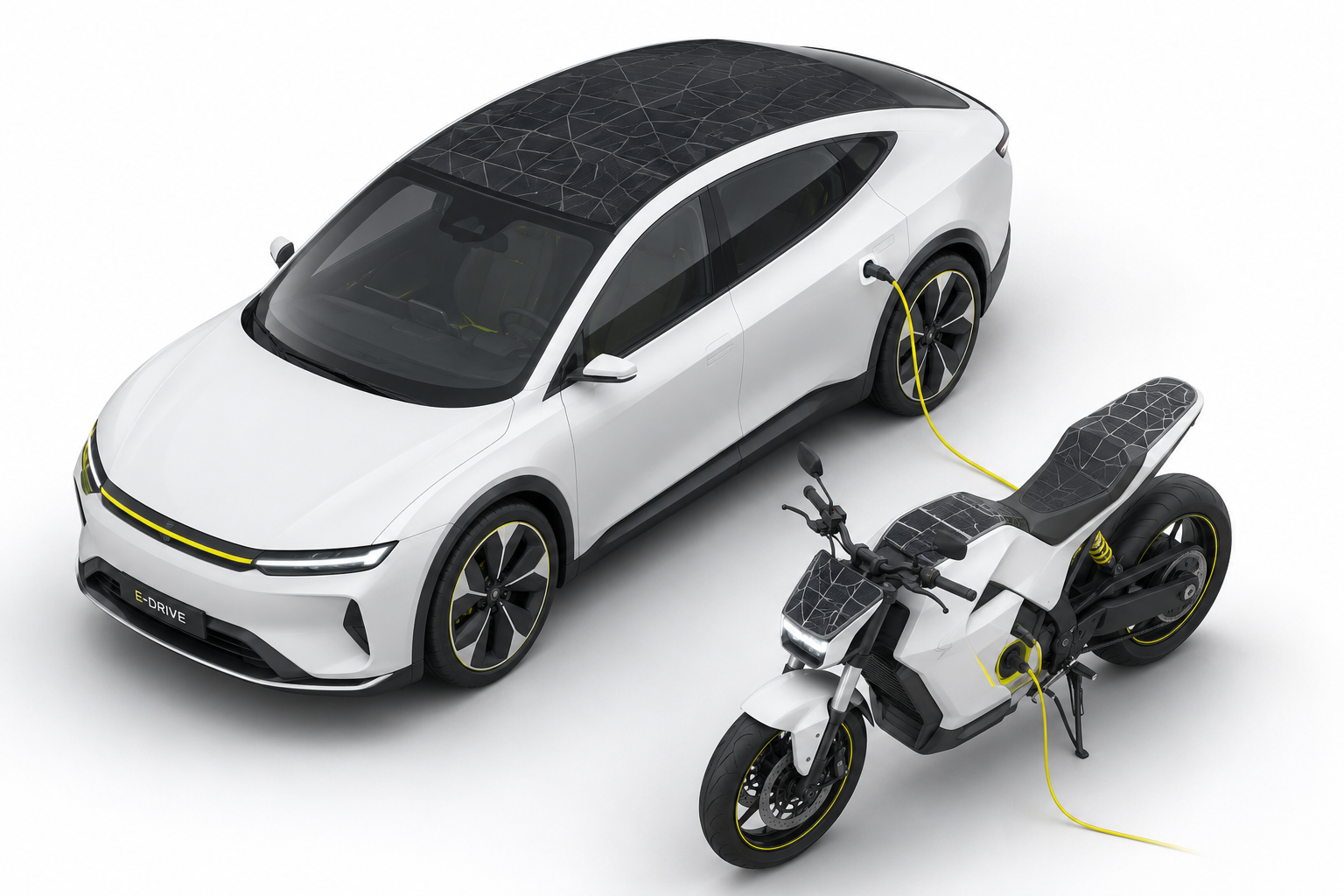
25% higher energy density
Nanocarbon's engineered lattice packs more active surface into the same cell footprint, unlocking meaningfully higher usable capacity in lithium-ion batteries.
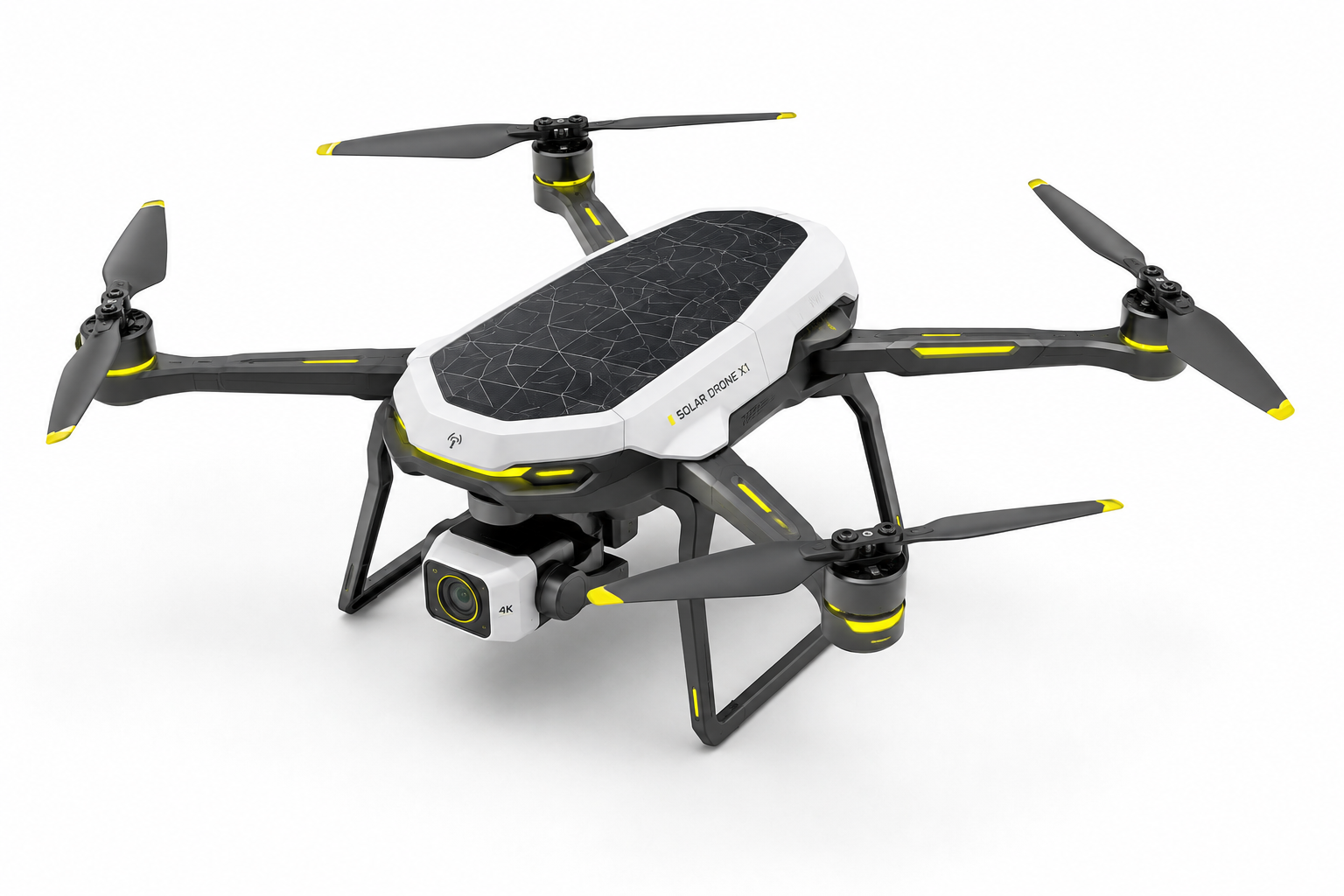
60% higher charge acceptance
An engineered pore structure lets electrolyte reach active material almost instantly, cutting charge time without sacrificing usable capacity.
(1600×1000, cover-fit)
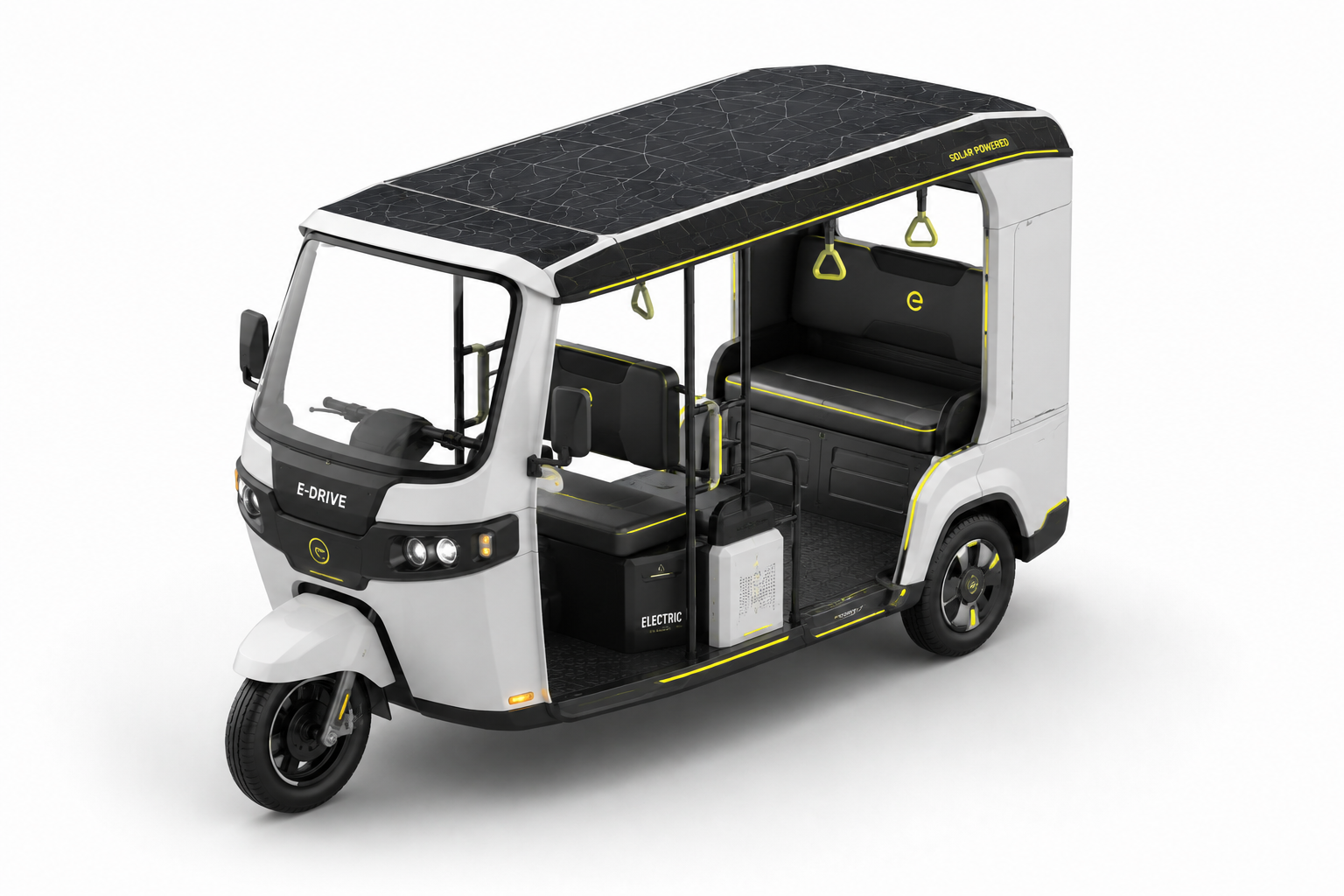
25% longer cycle life
Stronger active-material bonding means fewer cracks and less shedding over time, translating to lower warranty claims across the fleet.
(1600×1000, cover-fit)
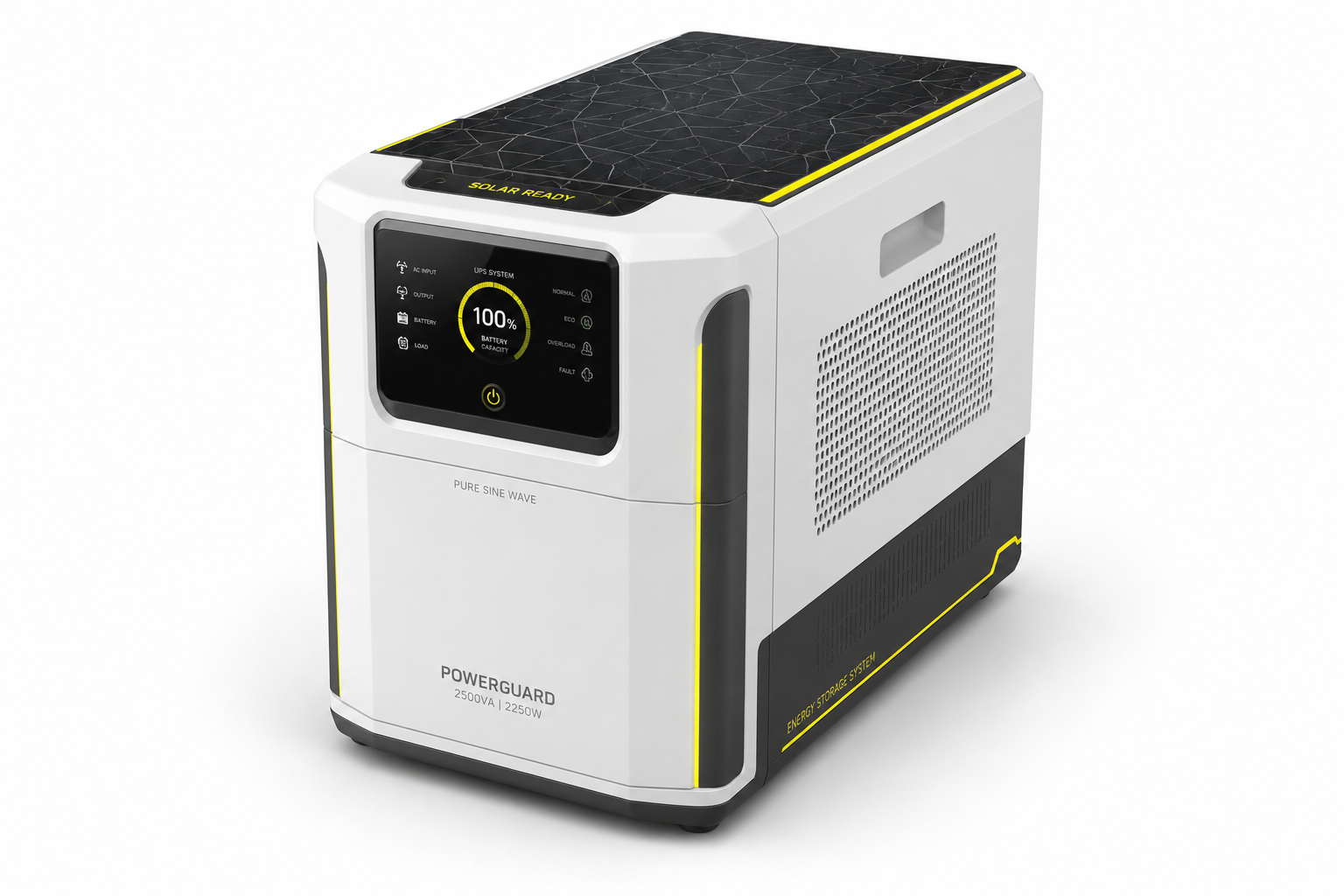
Seamless integration, no added cost
A drop-in additive that fits existing manufacturing lines — no retooling, no new process steps, no added cost per cell.
(1600×1000, cover-fit)
Lower internal resistance
Reduced resistance means less heat build-up under load — safer batteries, especially at high discharge rates.
Cancrie in the News
 -->
-->

 -->
-->
Featured In